
Welcome to the July 2026 issue of The Phoenix Philanthropy Group’s “Presidents Corner” e-newsletter. This month’s topic, “Engage 360: Building Lifelong Relationships in an Era of Transactional Engagement,” written by Senior Consultant Lori Redfearn, is a first look for our clients at Phoenix Philanthropy’s new service line, “Engage 360,” designed to help organizations build deeper, more intentional relationships with donors, alumni, volunteers, advocates, and community supporters.
For many nonprofit organizations, educational institutions, and philanthropic entities, the challenge is no longer simply attracting supporters. The challenge is sustaining meaningful relationships in an increasingly crowded and transactional engagement environment.
Organizations are communicating more than ever before. They are sending emails, hosting events, launching campaigns, managing social media channels, and pursuing ambitious fundraising goals. Yet despite this activity, many leaders are experiencing a common and frustrating reality: supporter ngagement is stagnating.
Donor retention remains flat. Alumni participation rates struggle to grow. Volunteer pipelines are inconsistent. Staff teams work tirelessly, but often in parallel rather than in partnership. In many cases, organizations rely heavily on a small group of deeply committed supporters while struggling to move broader audiences from awareness to involvement, and ultimately to advocacy and philanthropy.
At The Phoenix Philanthropy Group, we believe the issue is not a lack of effort. It is a lack of integration.
Too often, organizations unintentionally treat all constituents the same regardless of where they are in their relationship journey. A first-time event attendee may receive the same messaging cadence as a decades-long donor. Alumni relations may operate independently from advancement. Communications teams may not have visibility into volunteer activity or advocacy engagement. Data exists, but not always in ways that inform coordinated action.
The result is fragmented outreach that feels transactional instead of relational.
That reality inspired the development of Engage 360, The Phoenix Philanthropy Group’s Integrated Engagement Model, designed to help organizations create deeper, more intentional relationships with alumni, donors, volunteers, advocates, and community supporters.
ENGAGE 360 IS ROOTED IN A SIMPLE BUT TRANSFORMATIVE QUESTION:
Where is this person in their relationship with us, and what should we do next?
When organizations can answer that question consistently across departments and systems, engagement becomes more strategic, personalized, and effective.
Moving Beyond One-Size-Fits-All Engagement
For years, many organizations approached engagement through broad-based outreach strategies. The emphasis was often on activity volume: more communications, more events, more solicitations, more campaigns.
But today’s constituents expect something different. They want relevance. They want connection. They want organizations to understand their interests, motivations, and level of readiness.
Engage 360 helps organizations shift from generalized outreach to lifecycle-based engagement.
Rather than relying on assumptions, the model segments supporters based on observable behaviors and meaningful interactions. It identifies where individuals are along an engagement continuum, from initial awareness to active advocacy, and helps organizations determine the most appropriate next step for each audience segment.
This framework allows organizations to align development, communications, alumni relations, admissions, government affairs, advocacy, events, and outreach efforts around one shared engagement strategy.
The impact of that alignment can be significant.
When teams share a common framework:
- messaging becomes more consistent,
- staff time is prioritized more effectively,
- outreach becomes more personalized,
- and supporters experience the organization as
coordinated rather than fragmented.
Most importantly, relationships deepen over time.
The Hidden Cost of Organizational Silos
One of the most common barriers we encounter in our consulting work is not a lack of commitment, but operational silos.
Many organizations have talented teams doing excellent work independently. Advancement teams focus on fundraising goals. Communications teams manage messaging and visibility. Alumni relations teams cultivate participation and connection. Data teams maintain systems and reporting structures.
However, without a shared engagement framework, these functions often operate with different definitions of success, different timelines, and different data practices.
This creates inefficiencies that affect both staff and supporters.
Supporters may receive duplicate outreach or conflicting messages. Staff members may spend valuable time recreating information that already exists elsewhere in the organization. Leaders may struggle to gain a holistic understanding of constituent engagement because information lives across disconnected systems.
Perhaps most importantly, organizations miss opportunities to strengthen relationships at pivotal moments.
A volunteer who demonstrates increasing engagement may never be identified as a future donor prospect. An alumnus attending multiple events may not receive tailored stewardship. A first-time donor may not receive
the type of follow-up that encourages long-term retention.
These gaps are rarely intentional. They are often the result of systems and teams that were never designed to operate through an integrated engagement lens.
Engage 360 addresses this challenge by helping organizations build a shared infrastructure for relationship management across the entire constituent lifecycle.
A Practical Model Designed for Real-World Adoption
One of the defining principles behind Engage 360 is practicality.
Organizations do not need another theoretical framework that sits on a shelf. They need approaches that can be operationalized within the realities of staffing, technology, and organizational culture.
That is why Engage 360 was intentionally designed as an implementation-focused model grounded in organizational readiness, cross-functional collaboration, and sustainable adoption.
The process begins with assessment and discovery.
During this phase, Phoenix Philanthropy works closely with leadership teams and key stakeholders to understand how engagement currently functions across the organization. This includes reviewing fundraising practices, communications workflows, CRM structures, event systems, volunteer tracking, and departmental databases.
Equally important, the process surfaces operational dynamics that influence engagement success, including cross-team alignment, decision-making structures, and areas where silos may be limiting effectiveness.
The assessment phase also focuses heavily on data readiness. Organizations frequently possess valuable engagement information, but it may exist in decentralized systems or inconsistent formats. Engage 360 helps clients identify where key data lives, where gaps exist, and how systems can better support engagement strategy.
From there, Phoenix Philanthropy develops a customized integrated engagement strategy tailored to the organization’s mission, culture, and capacity.
This strategy defines engagement stages, clarifies stage-appropriate outreach, establishes shared language across teams, and creates a roadmap for more intentional relationship management.
Importantly, the model does not seek perfection before implementation.
Too often, organizations delay progress while waiting for ideal systems, complete data integration, or additional staffing capacity. Engage 360 embraces a different philosophy: progress over perfection.
Implementation occurs at a pace aligned with organizational readiness and resources. Phoenix Philanthropy works alongside teams to translate strategy into daily workflows, align CRM usage, create practical tools and dashboards, and train staff for long-term sustainability.
The goal is not simply to create a plan. The goal is to embed engagement into how the organization operates.
The Future of Philanthropy Is Relational
The philanthropic sector is entering a period of profound transformation.
Generational shifts in wealth, evolving expectations around transparency and impact, and changing communication behaviors are reshaping how people engage with institutions and causes. Supporters increasingly expect organizations to know them, value them, and engage them authentically over time.
This moment requires organizations to think differently about engagement.
Success will no longer be defined solely by campaign outcomes or annual fundraising totals. It will be defined by the strength, depth, and longevity of relationships.
Organizations that thrive in the years ahead will be those that move beyond transactional outreach and build integrated engagement ecosystems capable of sustaining lifelong partnerships.
That work requires strategy. It requires alignment. It requires intentionality.
Most of all, it requires organizations to see supporters not simply as donors, attendees, or volunteers, but as people moving through an evolving relationship journey.
At The Phoenix Philanthropy Group, we developed Engage 360 to help organizations meet that challenge with clarity, structure, and purpose.
Because when engagement becomes intentional, relationships become transformational.
Organizations today have an opportunity to rethink how they build and sustain relationships in a rapidly evolving philanthropic landscape. The institutions that succeed will be those that move beyond disconnected outreach efforts and embrace integrated engagement strategies that place people, connection, and long-term stewardship at the center of their work.
Engage 360 was created to help organizations do exactly that — with practical tools, actionable strategy, and a collaborative implementation approach designed for real-world adoption.
To learn more about the Engage 360 Integrated Engagement Model or schedule an exploratory discussion, visit The Phoenix Philanthropy Group or connect with Lori Redfearn at redfearn@ phoenixphilanthropy.com.
About the Author
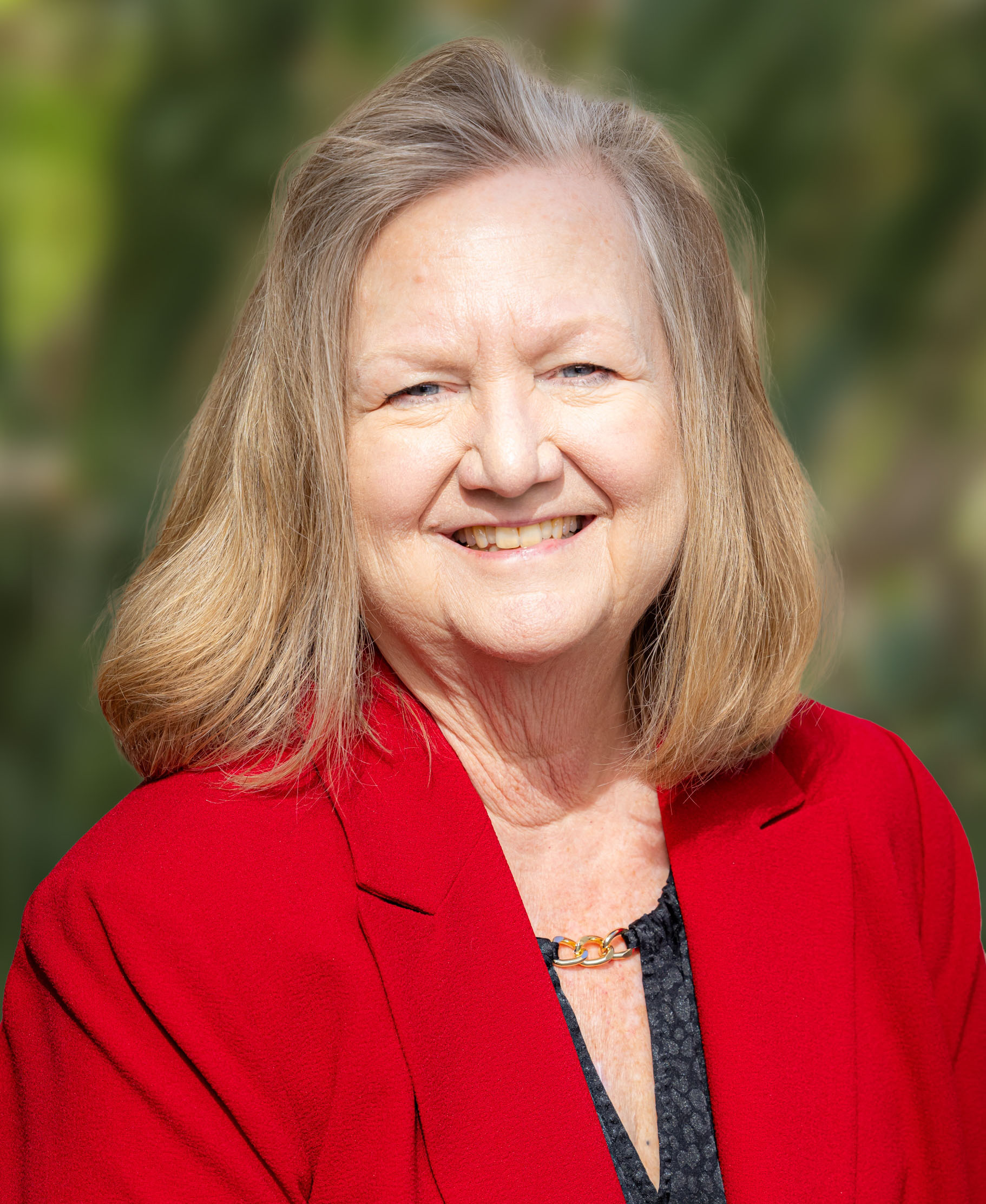
Lori Redfearn is a recognized leader in higher education advancement with more than 40 years of experience in the nonprofit, government, and education sectors. After 25 years with the California State University system, she retired as Associate Vice Chancellor for Systemwide Advancement and President of the CSU Foundation. Lori continues to support the profession through volunteer leadership with CASE and is widely respected for her expertise in fundraising strategy, campaign reporting, and organizational leadership.
About the Author
Lori Redfearn is a recognized leader in higher education advancement with more than 40 years of experience in the nonprofit, government, and education sectors. After 25 years with the California State University system, she retired as Associate Vice Chancellor for Systemwide Advancement and President of the CSU Foundation. Lori continues to support the profession through volunteer leadership with CASE and is widely respected for her expertise in fundraising strategy, campaign reporting, and organizational leadership.